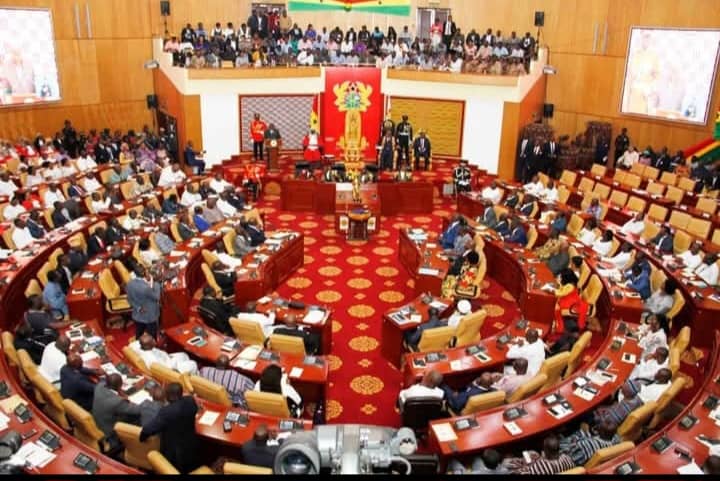
Ghana is preparing for one of its most consequential budget discussions in recent years, and the Minority in Parliament is urging lawmakers to approach the 2026 Budget debates with a renewed sense of unity and national focus.
During a Post-Budget Workshop in Accra on November 15, Deputy Minority Leader Patricia Appiagyei called on Members of Parliament to move beyond partisan politics and engage with the budget’s proposals thoughtfully and constructively.
According to her, the upcoming deliberations should centre on how the budget will shape the everyday lives of citizens and ensure long-term financial sustainability.
“Let us ask the hard questions, but let us also seek practical answers. Let us challenge each other’s assumptions, but do so with respect and a shared sense of purpose,”
— Patricia Appiagyei, Deputy Minority Leader
Her comments highlight a central theme: Ghana’s budgeting process is not just about numbers—it is about people. Every decision made in Parliament, she noted, will have real impacts on families, workers, and communities across the country.
A Budget Built for Transformation
The 2026 Budget, presented by Finance Minister Dr. Cassiel Ato Forson on behalf of President John Dramani Mahama, is anchored on the theme:
“Resetting for Growth, Jobs, and Economic Transformation.”
Dr. Forson described the document as a shift from economic recovery to long-term transformation, focusing on stability, job creation, and stronger social services.
The budget rests on three key priorities:
1. Strengthening Fiscal Discipline and Managing Debt
Ghana’s public debt—now estimated at about $65 billion—remains a concern. The government plans to tighten fiscal responsibility, introduce more efficient spending, and stabilize debt levels to prevent future crises.
2. Investing in Infrastructure and Agriculture
With agriculture accounting for roughly 40% of Ghana’s workforce, the budget proposes robust investments in infrastructure, irrigation, mechanisation, and market access. These measures aim to create jobs and modernize Ghana’s agricultural landscape.
3. Improving Education, Healthcare, and Security
The social sector receives notable attention:
- GHS 1.5 billion earmarked for educational reforms
- GHS 800 million set aside for healthcare improvement
These investments are designed to strengthen human capital and foster a more inclusive economy.
Supporting Legislation Introduced
Several bills were tabled alongside the budget to enhance accountability and streamline financial processes. These include:
- The Value for Money Bill
- The Value Added Tax (Amendment) Bill
- The repeal of the COVID-19 Health Recovery Levy
Their purpose is to improve transparency and efficiency in public finance management.
Why Collaboration Matters Now More Than Ever
With inflation currently sitting at 12.7% and economic pressures still weighing on households, the Minority believes that Ghana cannot afford divisive, politicized debates.
Instead, Patricia Appiagyei stressed the need for data-driven discussions, respect for divergent views, and a shared commitment to national progress.
As Parliament prepares to scrutinize the budget in the coming days, the Minority says it remains ready to engage productively to ensure the final outcome reflects the real needs of the Ghanaian people.
No comments yet. Be the first to share your thoughts!